Centuries of Faith and Nobility
— Discover the sacred origins and rich legacy of the Royal Order.
Our Origins
Historical Milestones
Our Sacred Traditions
The Chivalric Code: A Commitment to Honor
At the heart of the Order lies the Chivalric Code, a sacred oath that binds its members to a life of faith, courage, humility, and service. Inspired by the noble virtues of Christian knighthood, each member pledges to uphold integrity, loyalty, and compassion, standing as a defender of the faith and a servant to those in need.
Guided by Religious and Moral Values
The Order is deeply rooted in Christian principles, drawing wisdom from sacred teachings and the example of Constantine the Great and Saint Helen. Members commit to living a life of spiritual devotion, charity, and justice, working to strengthen the bonds of Christian unity while upholding the dignity of all people.
Ceremonial Practices, Robes, and Regalia
The Order’s traditions are brought to life through its sacred ceremonies, which reflect its rich historical heritage and devotion to service. Robes and regalia worn during these rites symbolize the commitment of each member to the Order’s mission. From the knighting rituals to solemn processions, each tradition reinforces the values of honor, duty, and brotherhood that define the Order.
Through these sacred traditions, the Order remains a steadfast guardian of faith and chivalry, ensuring that the spirit of Christian knighthood endures for generations to come.
The Meaning Behind the Symbols
The Meaning Behind the Symbols
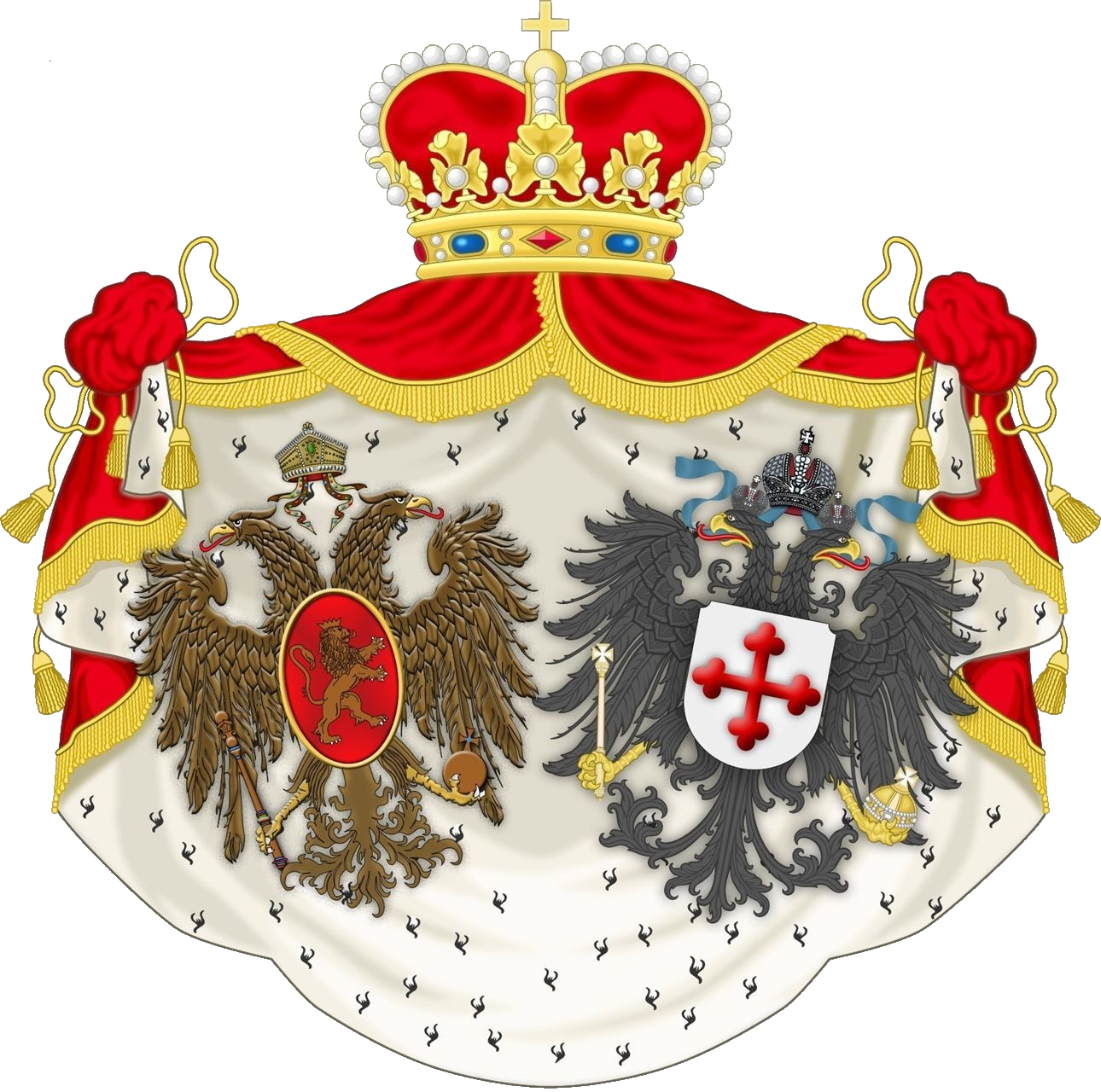
The symbols of the Order are more than mere emblems—they are a testament to our faith, history, and commitment to Christian service. Each element of our crest, cross, and regalia carries profound biblical and historical significance, uniting members under a shared spiritual heritage.
The Order’s Crest and Cross
At the heart of our insignia is the Cross of Constantine, a symbol of divine victory and Christian unity. Inspired by the vision Constantine received before the Battle of the Milvian Bridge, the cross serves as a reminder of our duty to uphold the faith with courage and integrity. Many variations of this sacred emblem appear across the Order’s official regalia, signifying rank, responsibility, and dedication to the mission.
Biblical and Historical Symbolism
-
The Chi-Rho (☧), an ancient Christogram, represents the first two letters of “Christ” in Greek. Constantine famously placed this sacred symbol on his soldiers’ shields as a sign of divine favor.
-
The crown and laurel wreath symbolize both the eternal reward of faithfulness and the noble chivalric tradition that members of the Order uphold.
-
The red and white colors commonly found in the Order’s regalia reflect the sacrifice of Christ and the purity of His teachings, inspiring members to lead lives of virtue and service.
Wearing and Displaying the Symbols
Members of the Order carry these sacred symbols with reverence. Whether worn as part of the ceremonial robes, medallions, or badges of rank, each insignia serves as a visible commitment to the Order’s values. The regalia is displayed proudly during ceremonial processions, charitable missions, and gatherings, reinforcing our connection to the faith and traditions established by Constantine the Great and Saint Helen.
By bearing these symbols, members affirm their pledge to live by the virtues of honor, service, and Christian brotherhood, ensuring that the legacy of the Order endures for generations to come.
Our Patron Saints
Recognized Across Centuries
The Order has stood the test of time, earning recognition from ecclesiastical authorities, royal courts, and scholarly institutions for its commitment to Christian unity, chivalric values, and charitable works. Throughout history, esteemed clergy and monarchs have acknowledged the Order’s dedication to faith and service, reinforcing its place among the world’s most respected chivalric traditions.
Preserving Traditions and Sacred Documents
Over the centuries, the Order has safeguarded historical records, ceremonial rites, and sacred texts, ensuring that its founding principles remain intact. These preserved documents reflect the Order’s continuous role in Christian service and the protection of its heritage. Through carefully maintained archives and rituals, the Order upholds the traditions passed down through generations.
A Global Network of Chivalry and Brotherhood
The Order shares deep-rooted connections with other esteemed chivalric bodies worldwide, emphasizing a shared commitment to faith, service, and noble conduct. Through formal alliances and mutual recognition, it remains part of a broader network dedicated to upholding the principles of knighthood, fostering collaboration in humanitarian efforts, and preserving the legacy of Christian chivalry for future generations.
Call to Explore Further
Read Full Chronology
Follow the journey of faith, unity, and chivalry through key historical events.
View Image Gallery
Experience the visual story of our Order’s traditions, regalia, and ceremonies.
Learn About Our Patron Saints
Uncover the inspiring lives and enduring impact of Constantine and Saint Helen.