Order, Structure, Purpose
— The Royal Order is governed with integrity, guided by its sacred mission and centuries-old tradition.
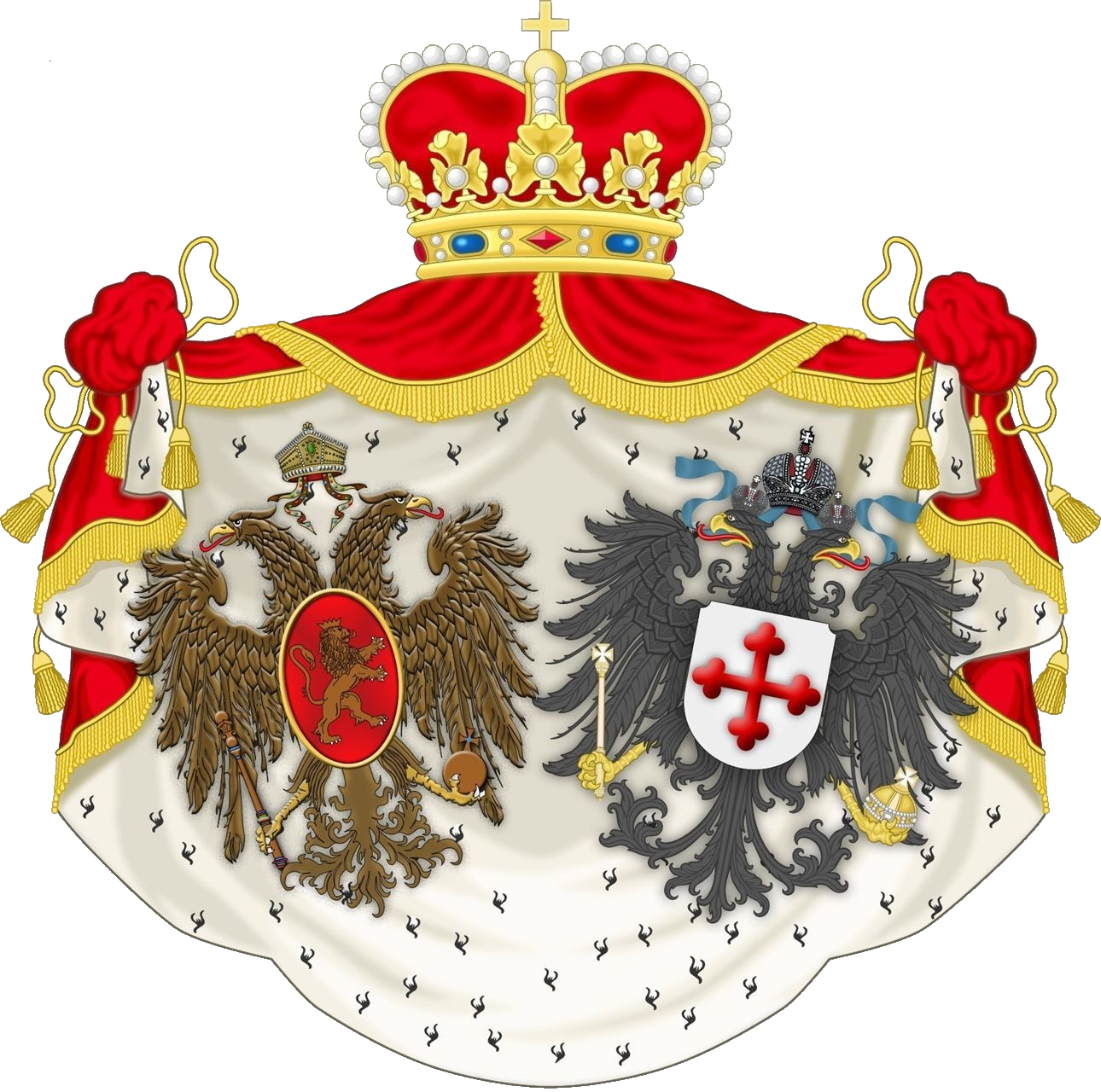
Guided by Wisdom and Duty
Leadership within the Order is not merely a position of honor but a sacred responsibility. Governance plays a crucial role in preserving the Order’s mission, ensuring that its principles of faith, chivalry, and service are upheld across generations. Through structured leadership and wise stewardship, the Order remains steadfast in its commitment to unity, charity, and noble conduct.
A Balance of Faith, Tradition, and Administration
The Order functions through a careful balance of spiritual, ceremonial, and administrative duties. Leadership guides members in deepening their faith through sacred traditions, fosters a strong sense of brotherhood through meaningful ceremonies, and ensures the smooth operation of charitable efforts and outreach programs. This holistic approach ensures that every aspect of the Order reflects its values and historical legacy.
Core Leadership Values
At the heart of the Order’s governance lies an unwavering commitment to:
-
Duty – Honoring the legacy of the Order through steadfast leadership and service.
-
Service – Leading by example, with humility and dedication to the community.
-
Accountability – Upholding integrity in all decisions, ensuring the Order’s mission remains true to its founding principles.
With wisdom and duty as guiding forces, the leadership of the Order safeguards its traditions, inspires its members, and strengthens its role as a beacon of faith and chivalry in the modern world.
Hierarchy & Oversight
Our Foundational Document
The Order is governed by its founding charter, a written constitution that outlines its mission, values, and structure. This document serves as the cornerstone of our commitment to Christian unity, chivalric service, and noble conduct, ensuring that the Order remains true to its historical legacy and spiritual purpose.
Mission and Legal Status
The Order operates as a recognized Christian chivalric institution, committed to charitable service, faith-based leadership, and the preservation of sacred traditions. Its legal status affirms its role as a global fraternity, dedicated to fostering Christian principles and humanitarian efforts while maintaining historical continuity with its noble origins.
Ethical and Ceremonial Principles
At the heart of the document are the ethical codes and ceremonial traditions that define membership. The charter enshrines principles of:
-
Faith and Devotion – Upholding Christian values in all actions.
-
Chivalric Duty – Defending the faith, assisting those in need, and promoting righteousness.
-
Honor and Integrity – Living by a moral code befitting the Order’s noble heritage.
-
Service and Charity – Engaging in humanitarian missions and philanthropic work.
Key Sections of the Constitution
The charter is structured into key sections that define the hierarchy, governance, and responsibilities of its members:
-
Declaration of Purpose – A statement of the Order’s mission and historical roots.
-
Membership and Ranks – Criteria for admission, duties of Knights and Dames, and pathways for advancement.
-
Governance and Leadership – The roles of the Grand Prior, Council, and Regional Chapters in overseeing the Order’s activities.
-
Sacred Traditions and Rituals – Guidelines for ceremonies, investitures, and regalia that uphold the Order’s spiritual heritage.
-
Code of Conduct – Ethical expectations that all members must adhere to in their personal and public lives.
This foundational document remains the guiding force behind the Order’s purpose, ensuring that all members walk the path of faith, honor, and service, as set forth by Constantine the Great and Saint Helen.
Rules that Uphold Our Integrity
The Order is guided by a steadfast commitment to faith, honor, and service, ensuring that every member upholds the highest standards of Christian conduct and chivalric values. Our rules and ethical principles serve as the foundation of our mission, fostering unity, discipline, and moral integrity.
Code of Ethics and Internal Bylaws
Members are expected to adhere to a strict code of conduct that reflects the Order’s historical and spiritual mission. This includes:
-
Loyalty to Christian principles and the values of charity, humility, and brotherhood.
-
Commitment to service, supporting both the Order’s charitable efforts and the greater good.
-
Upholding chivalric virtues, such as honesty, respect, and moral integrity in all interactions.
-
Preservation of traditions, ensuring ceremonies, regalia, and responsibilities are honored with dignity.
Expectations of Members’ Behavior
Every Knight and Dame of the Order is called to be an exemplar of faith and virtue, both within the organization and in their daily lives. This includes:
-
Conducting oneself with honor and respect toward fellow members and the community.
-
Maintaining confidentiality regarding the Order’s internal matters.
-
Acting in accordance with Christian values, promoting unity rather than division.
Conflict Resolution & Spiritual Guidance
To maintain harmony and integrity, the Order follows a structured approach to resolving internal conflicts:
-
Brotherly mediation led by senior members, ensuring fair and just resolutions.
-
Guidance from spiritual advisors, ensuring that all decisions align with Christian principles.
-
A commitment to reconciliation, upholding the values of forgiveness and understanding.
Spiritual Governance
The Order is not only a fraternal and chivalric organization but also a spiritual brotherhood. Clerical advisors and chaplains provide moral guidance and pastoral care, ensuring that the Order’s mission remains firmly rooted in Christian faith and service.
By upholding these sacred principles, we preserve the honor, dignity, and purpose of the Order, ensuring that it remains a beacon of faith and virtue for generations to come.
Leadership in Action
The Order’s leadership is dedicated to upholding its mission through regular gatherings, synods, and general assemblies, ensuring that its values and traditions continue to thrive. These highly structured meetings bring together key figures—including the Grand Master, Chancellor, Priors, and Council Members—to discuss vital matters concerning the Order’s direction, initiatives, and charitable outreach.
Key Decisions and Governance
At these assemblies, leadership deliberates on spiritual, administrative, and philanthropic initiatives, including:
-
Strengthening the Order’s commitment to Christian unity and chivalric values
-
Approving charitable projects and humanitarian aid efforts
-
Discussing membership growth and ceremonial traditions
-
Reviewing regional activities and expanding international presence
Transparency and Public Updates
Following each major gathering, the Order issues public updates and reports to maintain transparency with its members and supporters. These updates may include:
-
Announcements of new charitable initiatives
-
Recognitions and awards bestowed upon distinguished members
-
Upcoming ceremonial events and sacred observances
-
Decisions on leadership appointments and structural developments
By leading with faith, wisdom, and service, the Order’s leadership ensures that its traditions endure while actively responding to the needs of the modern world.
Accountability to Our Mission
The Order upholds the highest standards of transparency and integrity in all aspects of its mission. From financial stewardship to leadership decisions and sacred ceremonies, we are committed to ensuring that our actions reflect the core values of faith, service, and honor.
Commitment to Transparency
-
Financial Integrity – We responsibly manage resources to support our charitable missions and operational needs, ensuring that donations and contributions are used ethically and effectively.
-
Leadership Accountability – Decisions are made with careful discernment, guided by the Order’s principles and the collective wisdom of our governing bodies.
-
Ceremonial Honesty – All rites and traditions are conducted with reverence and authenticity, honoring the sacred heritage of our Order.
Open Communication & Member Engagement
We encourage members, benefactors, and partners to stay informed and engaged. Whether through official reports, advisory councils, or open forums, we invite questions, discussions, and feedback to uphold our shared commitment to faith and service.
Our doors are always open to those who seek clarity about our mission, operations, or impact. Together, we strengthen our Order through trust, accountability, and devotion to our sacred purpose.
Get Involved
Download Constitution
Gain a deeper understanding of the Order’s guiding principles, structure, and mission by reviewing our official constitution.
Meet the Leadership
Get to know the esteemed individuals who uphold the Order’s traditions and lead its initiatives worldwide.
Submit a Governance Question
Have inquiries about the Order’s governance, structure, or operations? Submit your questions and receive guidance from our leadership.