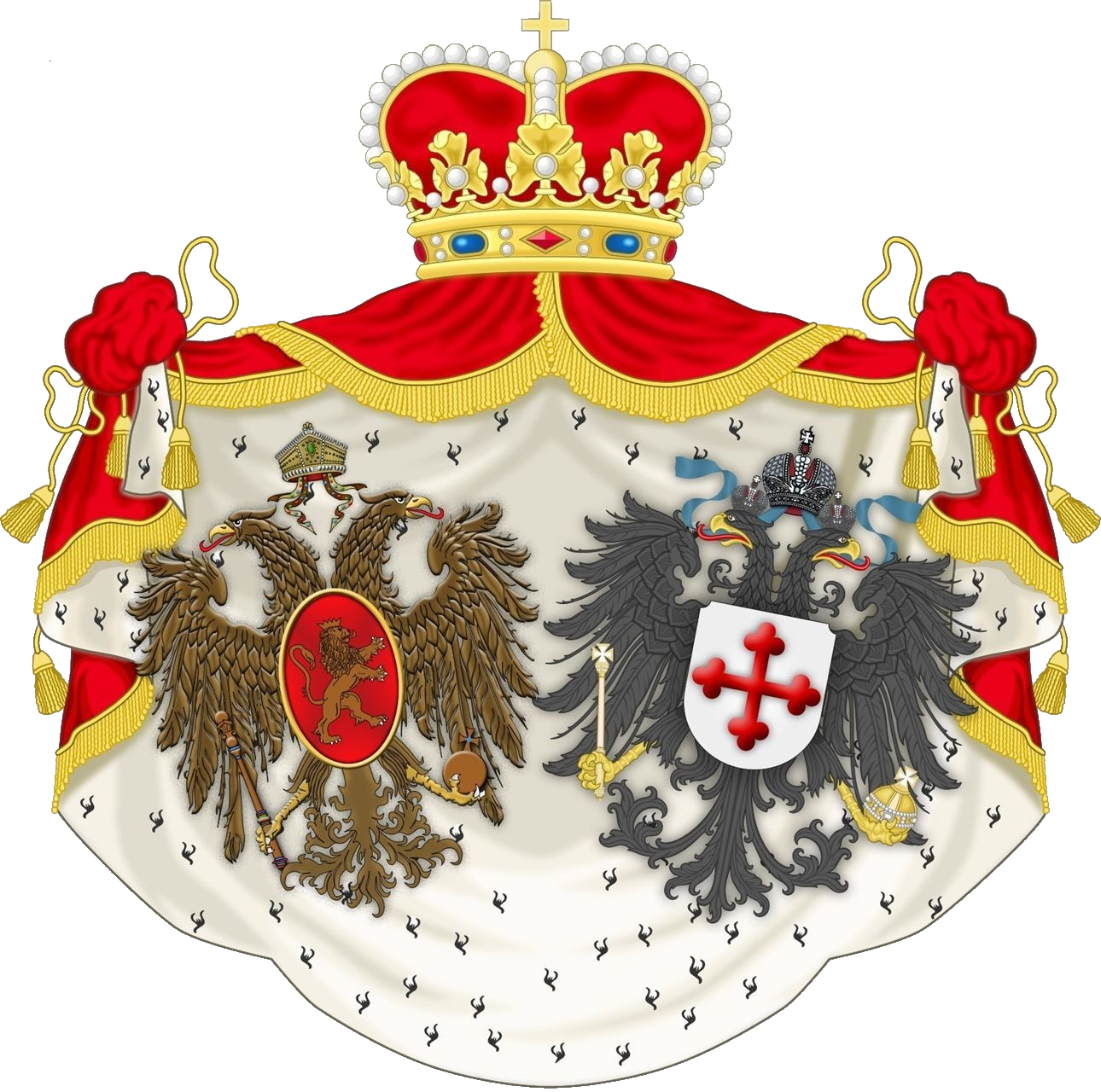
Our Sacred Inspiration
Chosen for Their Legacy
Emperor Constantine the Great
From Eusebius of Caesarea, Life of Constantine
“At the time of his battle against Maxentius, Constantine saw with his own eyes the sign of the cross in the heavens, above the sun, and bearing the inscription, ‘In this sign, you will conquer.’ He and his army were struck with amazement at the sight, and upon victory, he recognized the power of Christ and embraced His faith.”
Saint Helen, Empress and Pilgrim
A Life of Faith and Influence
Saint Helen, the mother of Emperor Constantine the Great, played a crucial role in shaping the Christian world. Born in the 3rd century, she rose from humble beginnings to become Empress of Rome after Constantine’s ascension. Deeply devoted to her faith, she embraced Christianity wholeheartedly, influencing her son’s policies and fostering the growth of the early Church.
Pilgrimage to the Holy Land
In her later years, Saint Helen embarked on a historic pilgrimage to the Holy Land, a journey that left a lasting spiritual and historical impact. She traveled across Jerusalem and its surrounding regions, overseeing the construction of churches at significant Christian sites, including the Church of the Nativity in Bethlehem and the Church of the Holy Sepulchre in Jerusalem.
The Discovery of the True Cross
One of Saint Helen’s most revered contributions was the discovery of the True Cross, believed to be the very cross upon which Christ was crucified. According to tradition, she ordered excavations near Golgotha, where three crosses were found. Through divine inspiration and miraculous signs, the True Cross was identified, strengthening the Christian faith and becoming a powerful symbol of Christ’s sacrifice.
A Patron Saint of Faith and Devotion
Saint Helen is honored as the patron saint of archaeology, converts, and those facing difficult marriages. Her legacy continues to inspire those seeking spiritual guidance, unwavering faith, and perseverance in their journey. Through her devotion, discoveries, and patronage, she remains a beacon of faith and a guiding force in Christian history.
Living Their Legacy Today
The Order continues to uphold the faith and service exemplified by Constantine the Great and Saint Helen, ensuring that their legacy remains a guiding force in the lives of its members. Through acts of charity, spiritual devotion, and honorable conduct, members strive to embody the virtues of courage, compassion, and faith in their daily lives.
Faith and Service in Action
Inspired by Constantine’s unwavering commitment to Christian unity and Helen’s dedication to sacred service, members pledge themselves to protecting the faith, aiding those in need, and upholding moral integrity. Whether through charitable missions, support for Christian communities, or participation in sacred traditions, they seek to bring light and hope to the world.
Sacred Symbols in Ceremony and Regalia
The Order’s ceremonies, regalia, and prayers are rich with historical and spiritual meaning. The Chi-Rho, the sacred emblem seen by Constantine before his pivotal victory, remains a powerful symbol of divine guidance and protection. The Cross of Saint Helen, representing her discovery of the True Cross, is a reminder of faith’s enduring strength. These sacred insignias, along with the Order’s ceremonial dress and knightly oaths, reinforce the commitment of every member to live a life of righteousness and service.
The Timeless Virtues of Knighthood
As defenders of the faith and servants of the community, members strive to uphold:
-
Courage – Standing firm in faith and acting with integrity, even in the face of adversity.
-
Compassion – Extending kindness and aid to those in need, reflecting the charitable heart of Saint Helen.
-
Faith – Keeping Christ at the center of all endeavors, ensuring that every act is guided by divine purpose.
By embracing these virtues, the Order ensures that the noble mission of Constantine and Saint Helen continues to inspire and uplift generations to come.
Devotions to Our Patrons
Daily Invocation
Members of the Order are encouraged to begin each day with a short prayer seeking the guidance and intercession of our holy patrons:
“O blessed Constantine and Saint Helen, defenders of the faith and servants of Christ, guide us in our mission of charity, unity, and noble service. Strengthen our hearts with your courage and wisdom, that we may walk in the light of God’s grace. Amen.”
Feast Day Celebration – May 21
Each year on May 21, we commemorate the Feast of Saints Constantine and Helen, celebrating their contributions to Christianity and their enduring spiritual legacy. This special day is an opportunity for members to gather in prayer, reflect on their mission, and renew their commitment to faith and service.
Spiritual Resources
To deepen your devotion, explore our collection of spiritual resources, including:
-
Downloadable prayer cards featuring invocations to Saints Constantine and Helen
-
Reflections on their legacy and how their lives inspire our modern mission
-
Guides for personal and communal prayer
Walk in Their Footsteps
Learn More About Our Ceremonies
Experience the rich traditions of the Order through sacred rites, investiture ceremonies, and time-honored chivalric customs. These ceremonies serve as a profound connection to our spiritual heritage, reinforcing our commitment to faith and service.
Join the Order
Become a member of a distinguished community dedicated to upholding Christian values and supporting charitable missions worldwide. By joining, you enter a brotherhood and sisterhood of like-minded individuals who seek to make a difference while honoring a noble tradition.
Download Devotional Guide
Deepen your spiritual journey with prayers, reflections, and guidance inspired by the faith and deeds of Saint Helen and Constantine the Great. This devotional resource serves as a beacon for those committed to a life of virtue, service, and devotion.